


For Chloe, engineering didn't begin in a classroom. It started under wide country skies, surrounded by a loving family who built, repaired, and tinkered with whatever was in front of them.
Growing up in regional New South Wales, Chloe spent her early years moving between country towns and spending time with family across the Central Coast and Tamworth. Life there was grounded in community, creativity and curiosity. Values that would later shape her approach to engineering and leadership.
I grew up in regional towns with skies so clear you could see everything. My eyes were always on the stars.
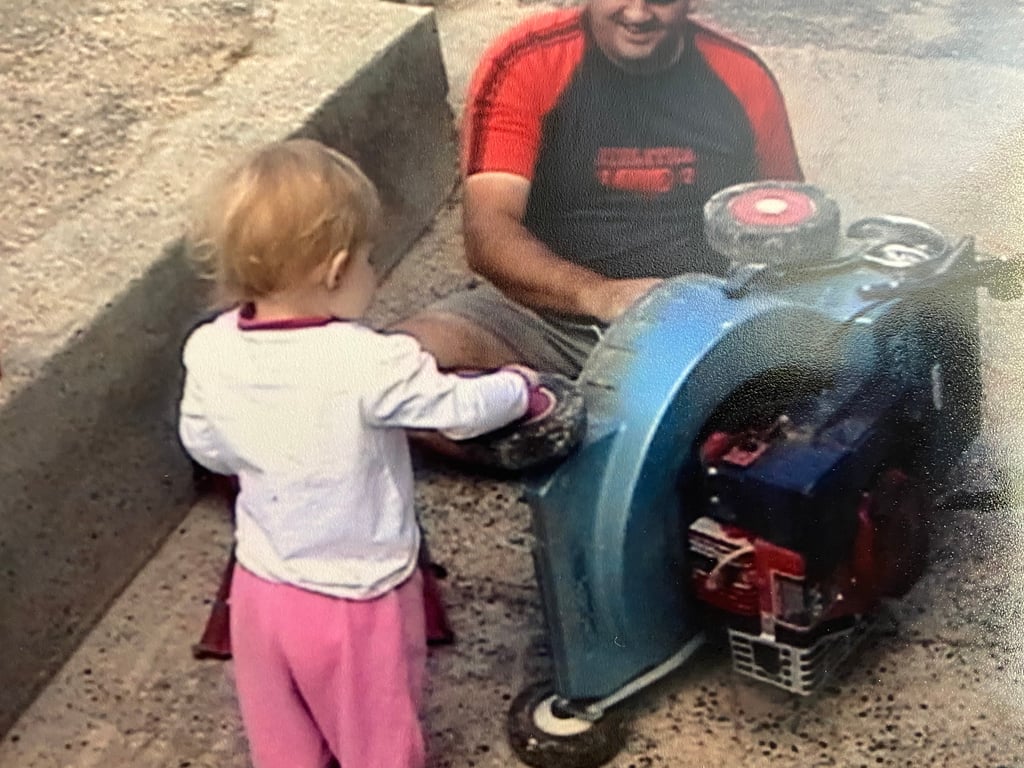
But her fascination with the universe was matched by something closer to home, the satisfaction of working with her hands.
From an early age, Chloe was pulling things apart, fixing broken machines and experimenting with small mechanical projects. Guided by her grandfather and dad, she learnt to solder, build and approach everything by doing.
Learning by doing
For Chloe’s father, Danny, those early signs of curiosity were impossible to miss. She was always taking things apart, driven by a natural instinct to understand how things worked.
Chloe’s mother, Michelle, remembers one moment in particular that helped crystallise her interest. After attending a robotics course in Sydney, Chloe came home energised by LEGO® MINDSTORMS®.
For Chloe, those early lessons shaped how she approaches engineering today. She’s drawn to hands-on work, where ideas are tested, built and refined in real time. Those values also connect closely to her Indigenous heritage, where knowledge sharing, storytelling and hands-on learning are deeply embedded cultural traditions.
“In my culture, stories and knowledge are passed down through the community,” Chloe explains. “In engineering, communication and collaboration matter just as much as technical skills. It’s about sharing knowledge and building something that has a positive impact on people's lives."
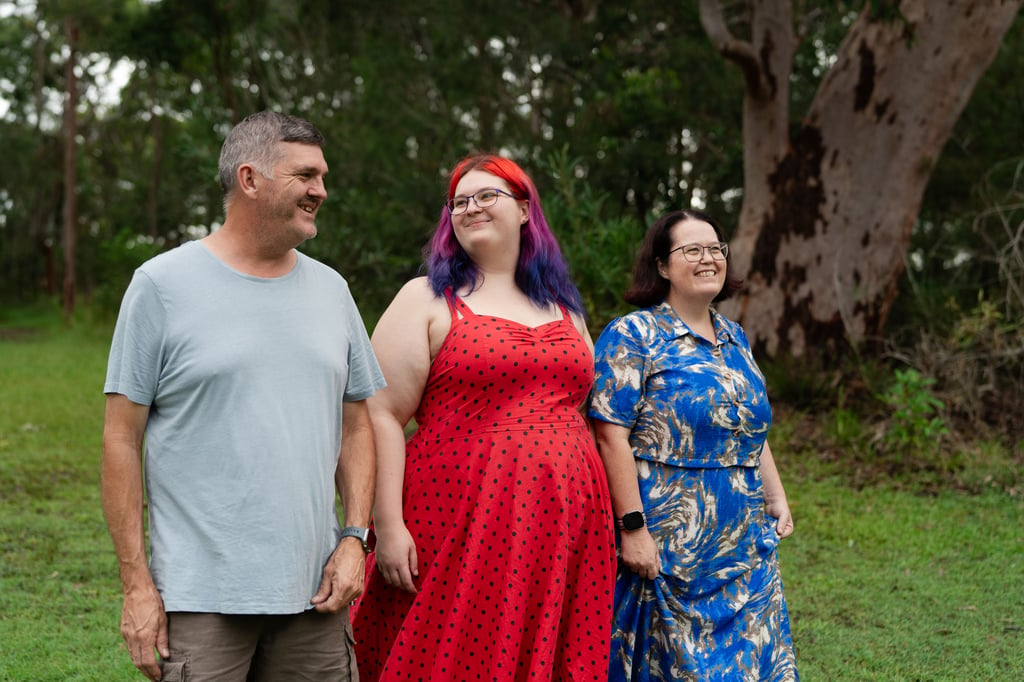
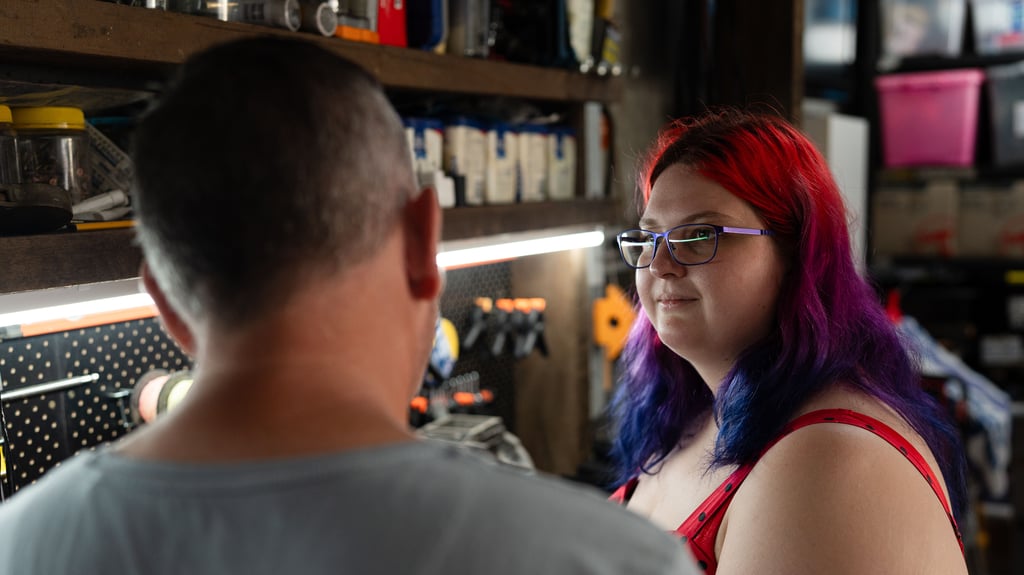
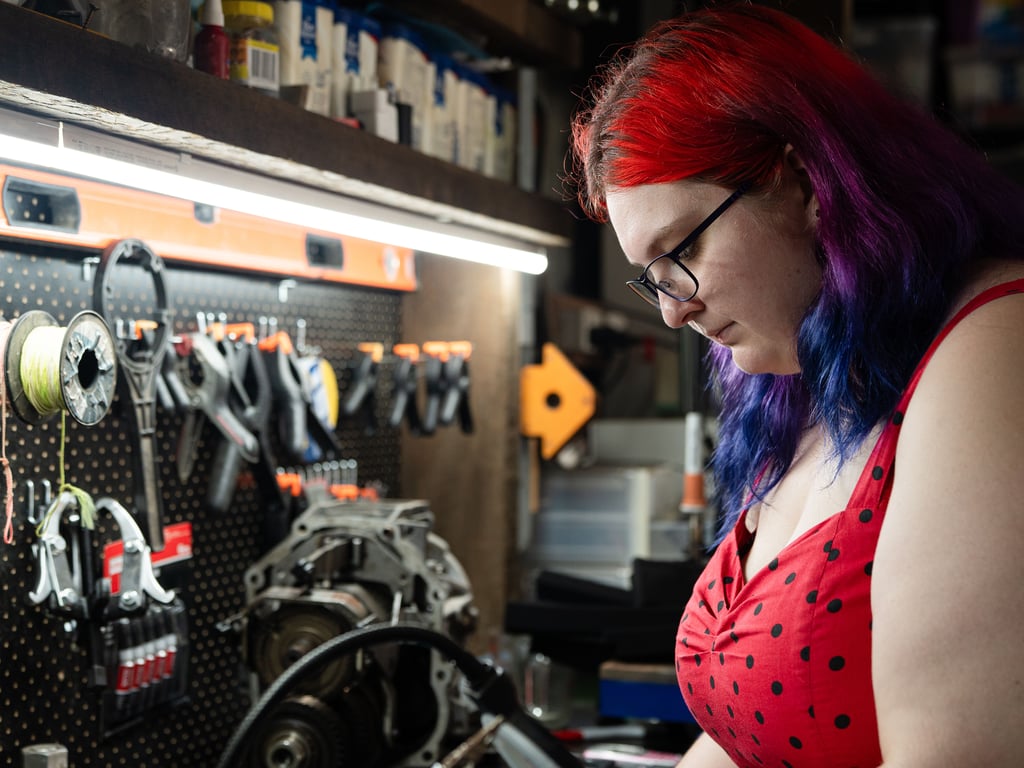
That natural instinct to question, build and explore eventually led Chloe to pursue a degree in Mechanical and Mechatronic Engineering at the University of Technology Sydney (UTS). But the foundations for that journey were already firmly in place long before she stepped onto the campus.
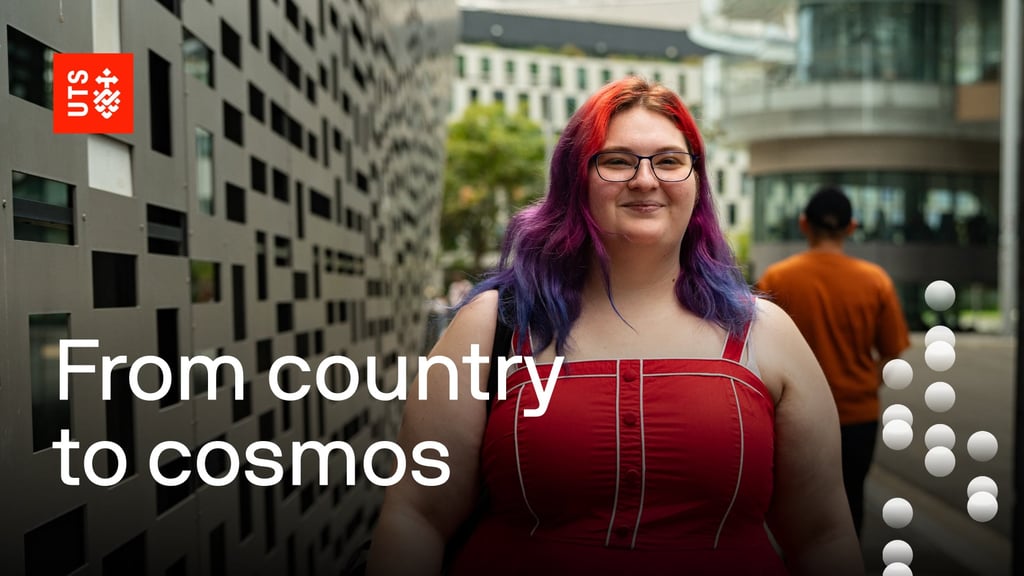
Watch Chloe's story
Finding community at UTS
For Chloe, getting to university wasn’t a straightforward path, but it was one shaped by determination and support. Through the Jumbunna Admission Program, a dedicated pathway for Aboriginal and Torres Strait Islander students, she was able to pursue her engineering degree at UTS without relying solely on her ATAR. The program recognised her broader strengths, from her hands-on skills to her leadership and community involvement, while additional support helped ease the financial pressures of relocating to Sydney.
Arriving at university can feel daunting for many students, especially those moving from regional communities or entering fields where they may not see many people like themselves.
For Chloe, however, UTS quickly became a place where she found both opportunity and belonging.
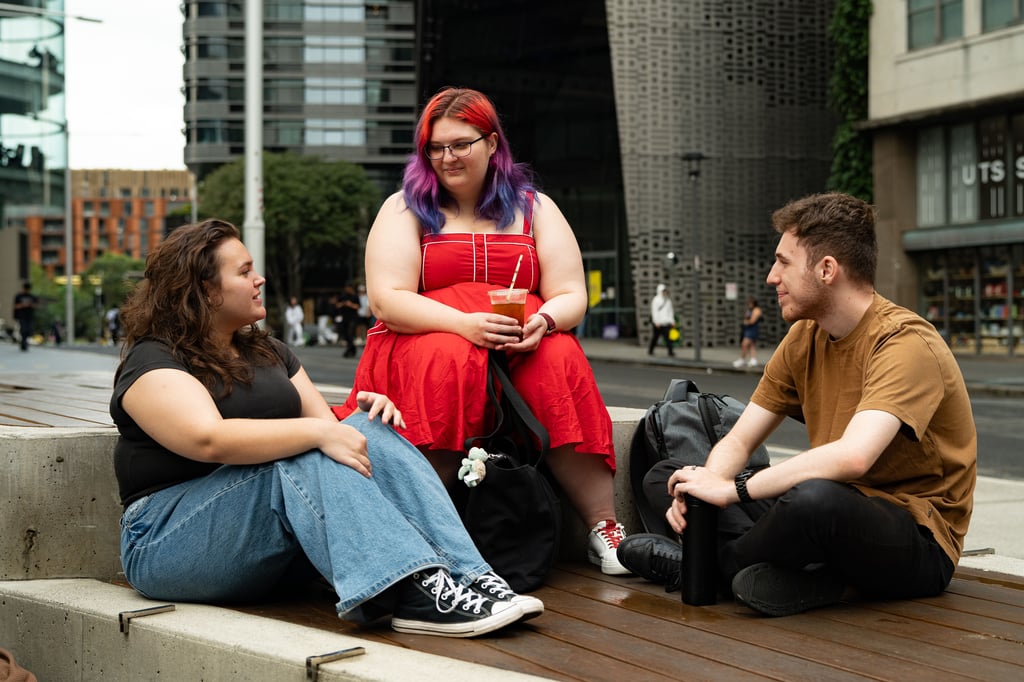
Not long after starting her degree, she began exploring student societies across the Faculty of Engineering and IT. One of the most significant was the Robotics Society.
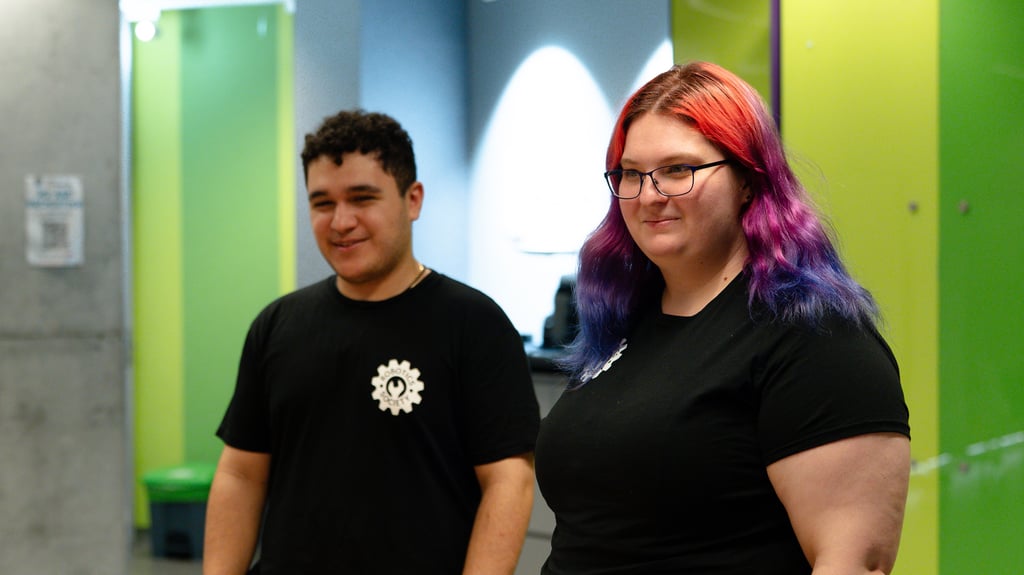
Initially joining out of curiosity, Chloe quickly discovered she enjoyed both the technical challenge and the collaborative nature of the group. Students came together to design, build and test robotic systems, participate in competitions and share knowledge.
Over time, Chloe stepped into leadership roles, eventually becoming the President of the Robotics Society herself.
It became a real community at UTS for me. We weren’t just building robots. We were building a space where people could learn, experiment and support each other.
Transitioning into leadership
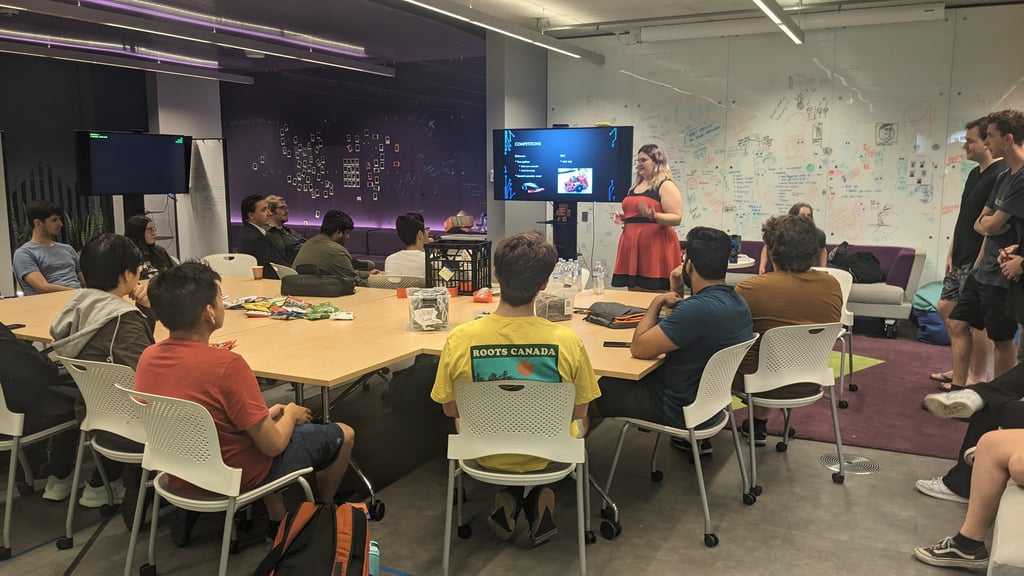
Through the society, Chloe helped organise events, competitions and workshops that encouraged more students, particularly women, to get involved in robotics and engineering.
Danny remembers watching that transformation with pride. Her confidence grew as she moved beyond learning engineering to leading others and helping them feel like they belonged.
For Chloe, those experiences were particularly meaningful as a First Nations woman in engineering, a field where representation is still growing. She reflects that being one of only a few women in the room also creates an opportunity to help make space for others.
Her leadership within the UTS Robotics Society became one way of doing exactly that.
“It’s about showing other women that they belong here too,” Chloe explains.
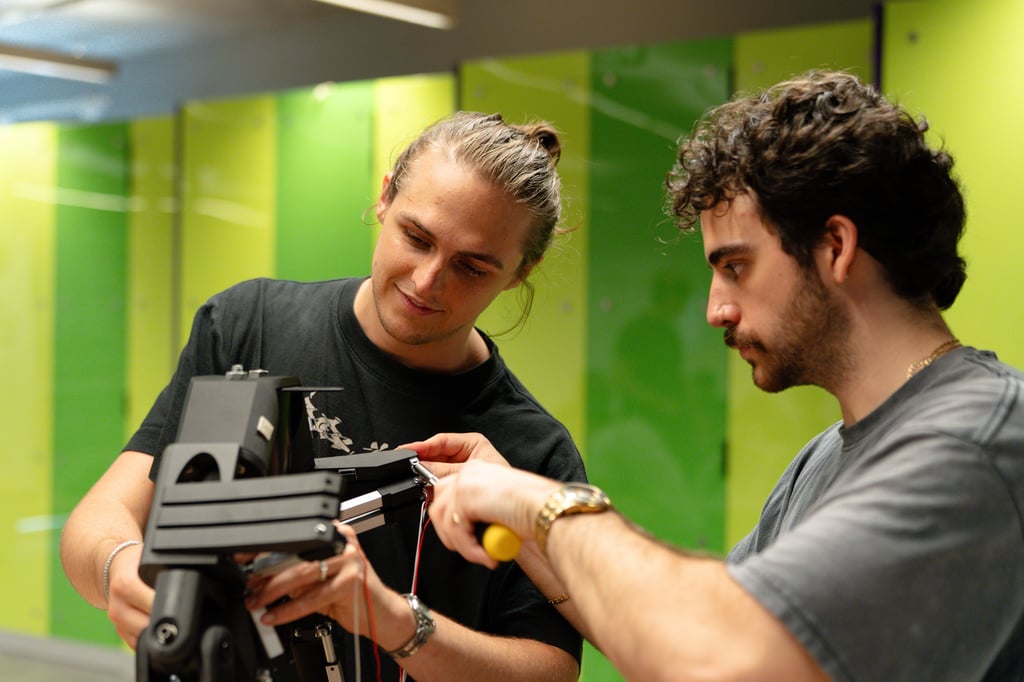
Engineering needs diverse voices and perspectives
Alongside student societies, Chloe also connected with programs and communities that support First Nations students at UTS, including the Jumbunna Admission Program. These networks helped reinforce that university isn’t just about academic study. It’s also about building relationships and finding your place within a broader community.
From Sydney to a UK Space Lab
While Chloe’s leadership and technical skills were developing at UTS, an opportunity through the National Indigenous Space Academy (NISA) took her journey even further.
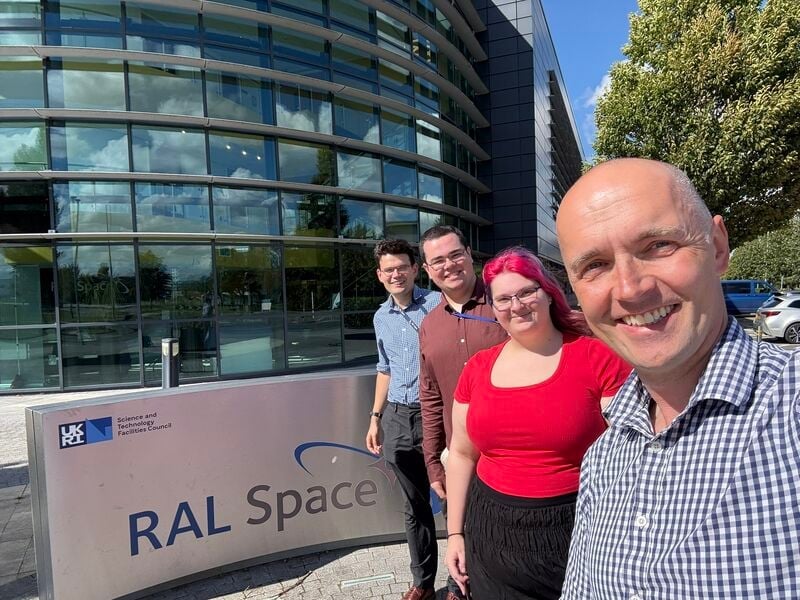
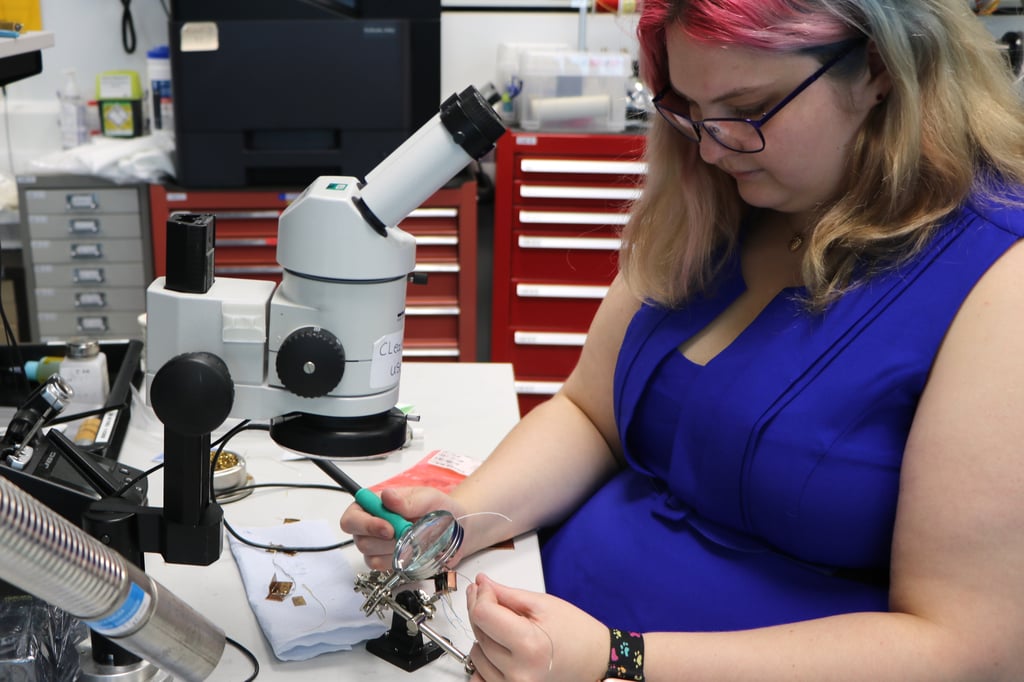
In her fifth year of engineering, Chloe was selected for an international placement at RAL Space in the United Kingdom, where she worked on advanced laser systems used in space research. Collaborating with scientists and engineers from around the world, she contributed to projects supporting atomic-level measurements in space and gained firsthand experience of the global nature of engineering and scientific innovation.
For Chloe, the placement brought together everything she had been working towards: applying her learning in a real-world setting, contributing to cutting-edge research, and developing the confidence to collaborate across cultures. For her father, Danny, seeing her selected for a program designed to create pathways for First Nations students in STEM was a proud and significant milestone.
Global Programs like NISA help students gain the skills and experiences required to succeed on the international stage. For Chloe, the biggest benefits were learning to collaborate across cultures and contribute to real-world innovation. Stepping into that environment required courage.
The sky's the limit
Today, Chloe continues to build on the momentum she’s gained throughout her time at UTS. Her interests span multiple areas of robotics and engineering, including applications in space exploration, education and assistive technologies.
While her work in space research continues to shape her thinking, Chloe has also grown increasingly passionate about companion robotics, technology designed to support people in environments like schools, aged care and mental health services.
Chloe remains committed to giving back to the communities that shaped her journey. She’s already begun mentoring younger students and working with initiatives that encourage high school students, particularly girls and First Nations students.
Her message to them is simple but powerful: “Don’t limit yourself.”
At UTS, curiosity becomes capability. Because it’s not just a university, it’s where ambition turns into impact. What can we be for you?